
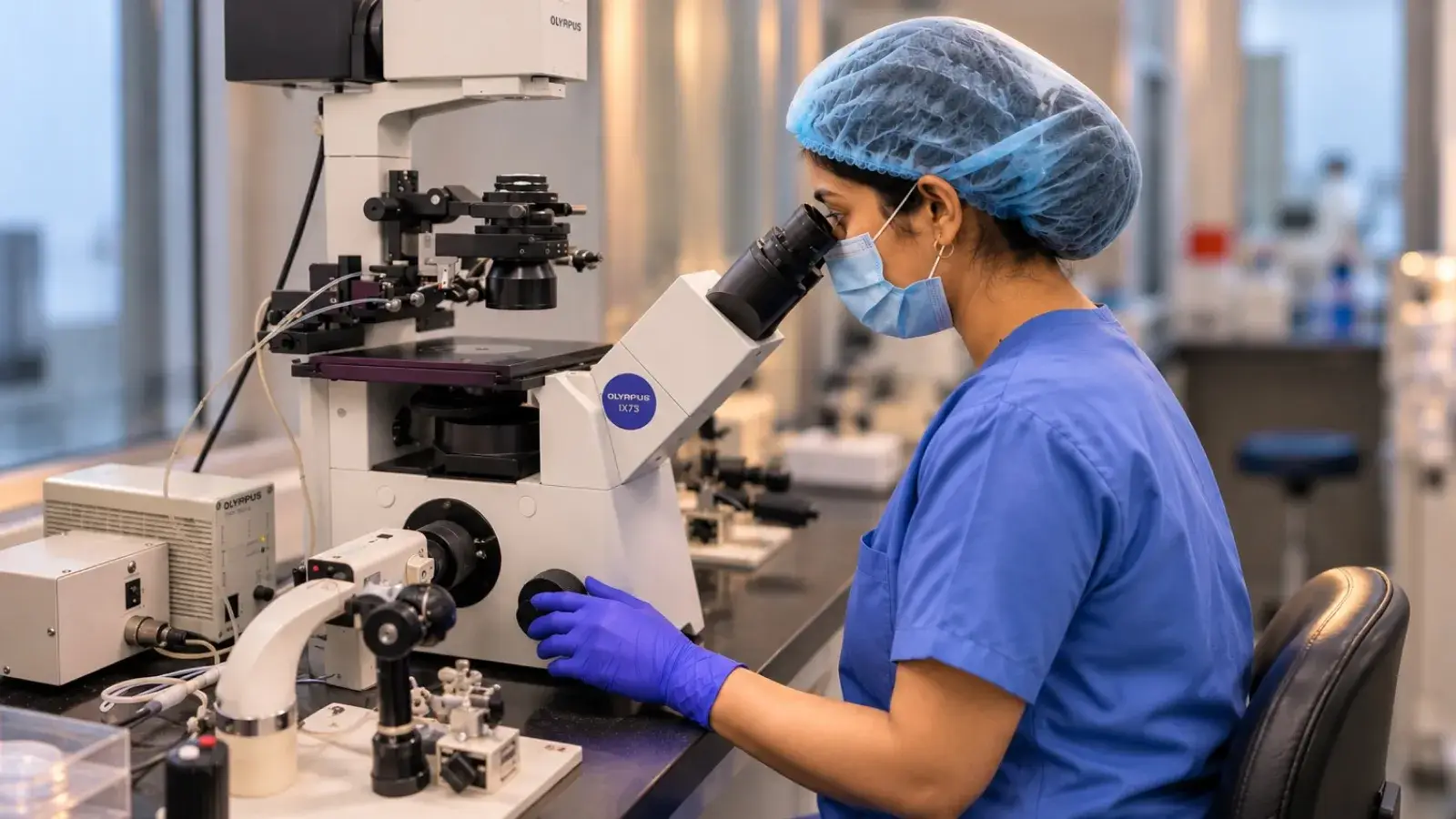
What Is ICSI and Why Is It Important in IVF?
ICSI Procedure Step-by-Step: How Does It Work?
Step 1: Egg Retrieval and Initial Assessment
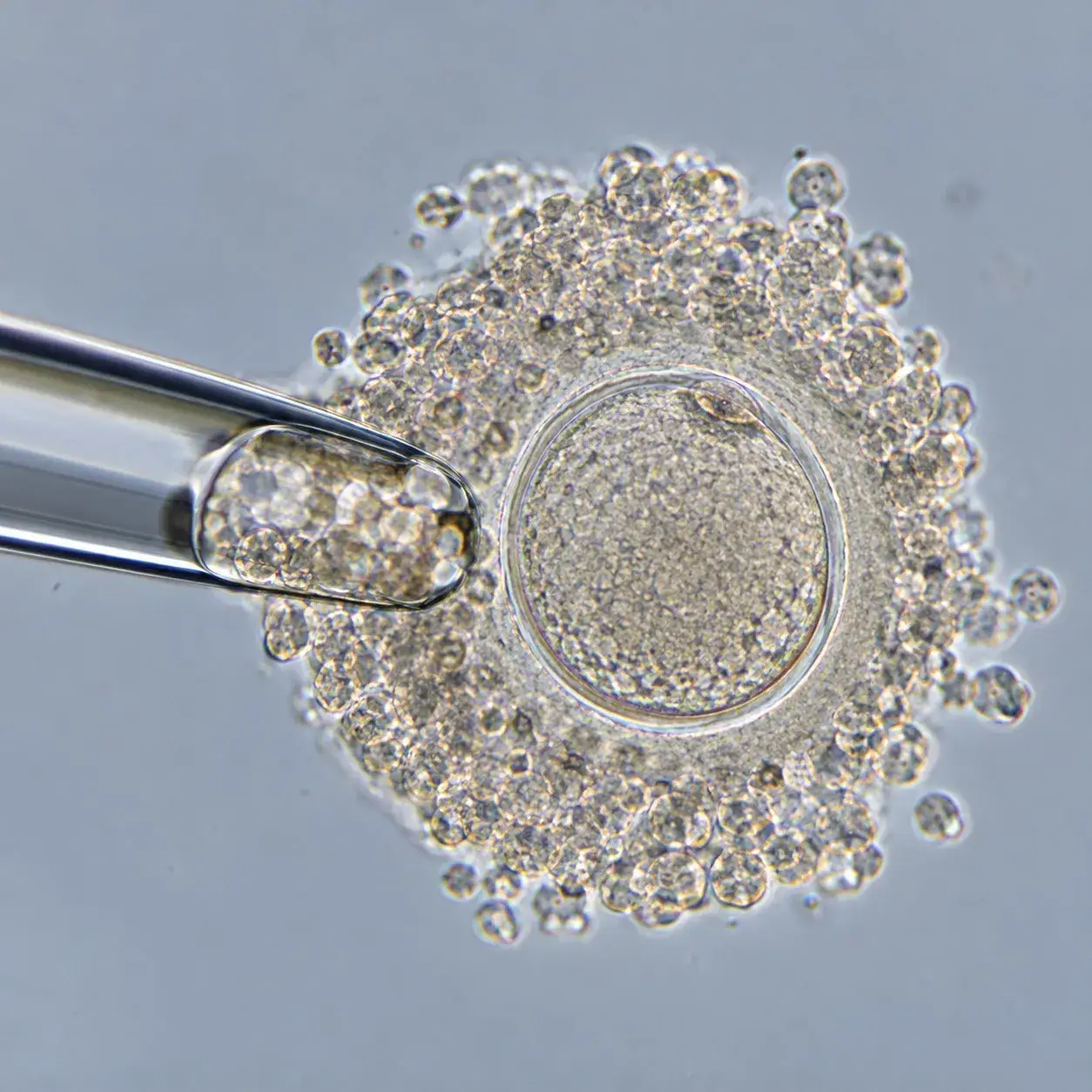
The process begins with egg retrieval, where mature and developing eggs are collected from the ovaries following controlled ovarian stimulation.
Once collected, the eggs are transferred to the embryology laboratory. The embryologist identifies the cumulus-oocyte complexes, which consist of eggs surrounded by protective cells.
These eggs are maintained under controlled laboratory conditions to preserve their quality before further assessment.
Step 2: Oocyte Denudation and Maturity Assessment
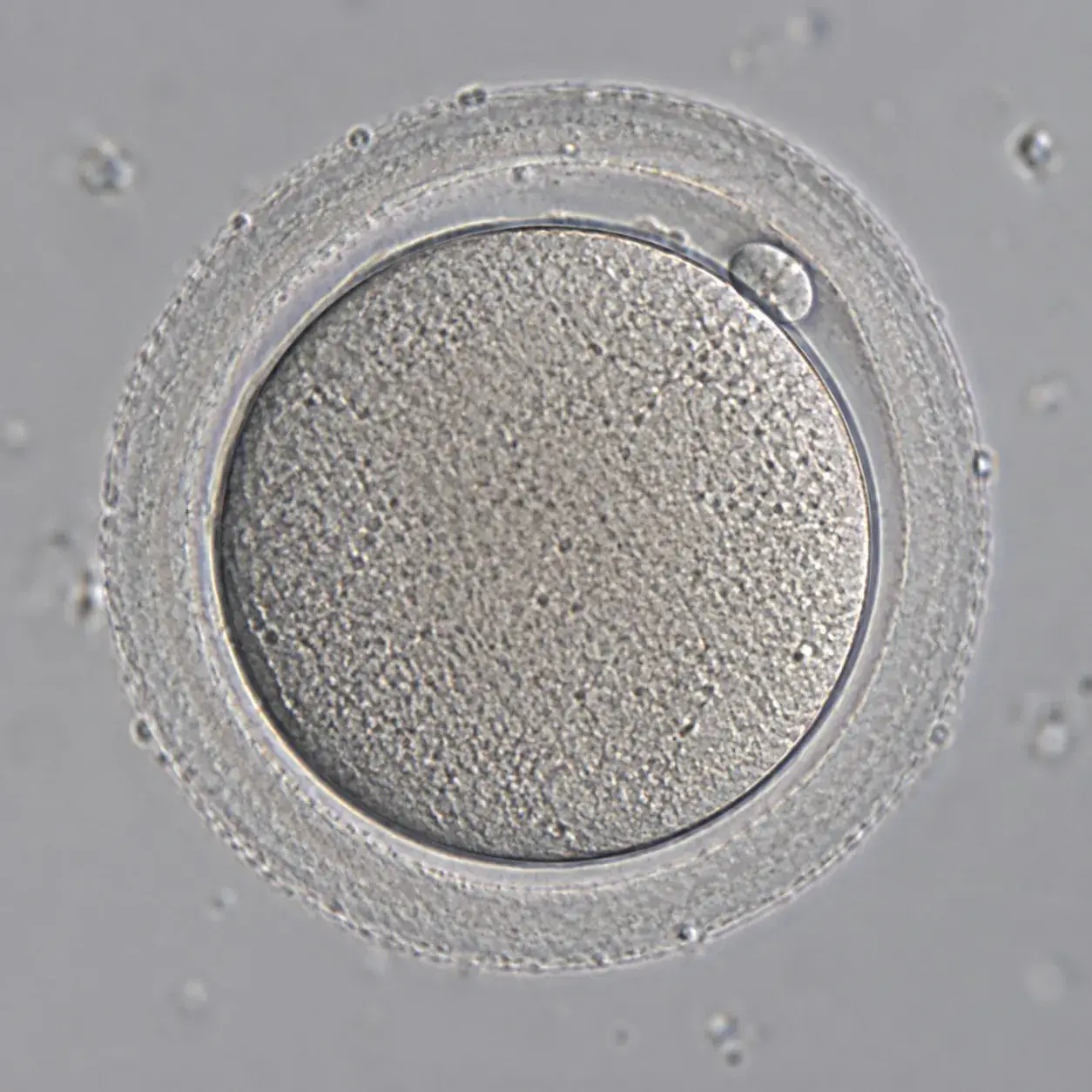
Before injection, the surrounding cumulus cells must be carefully removed through a process called denudation.
Embryologists use an enzyme called hyaluronidase and gentle mechanical pipetting to remove these cells without damaging the egg.
Once the cells are removed, the embryologist examines the egg to determine its maturity. Typically, only mature metaphase II (MII) eggs, identified by the presence of the first polar body, are selected for ICSI.
This stage requires careful observation because immature or damaged eggs may not be suitable for injection.
Step 3: Sperm Preparation and Selection
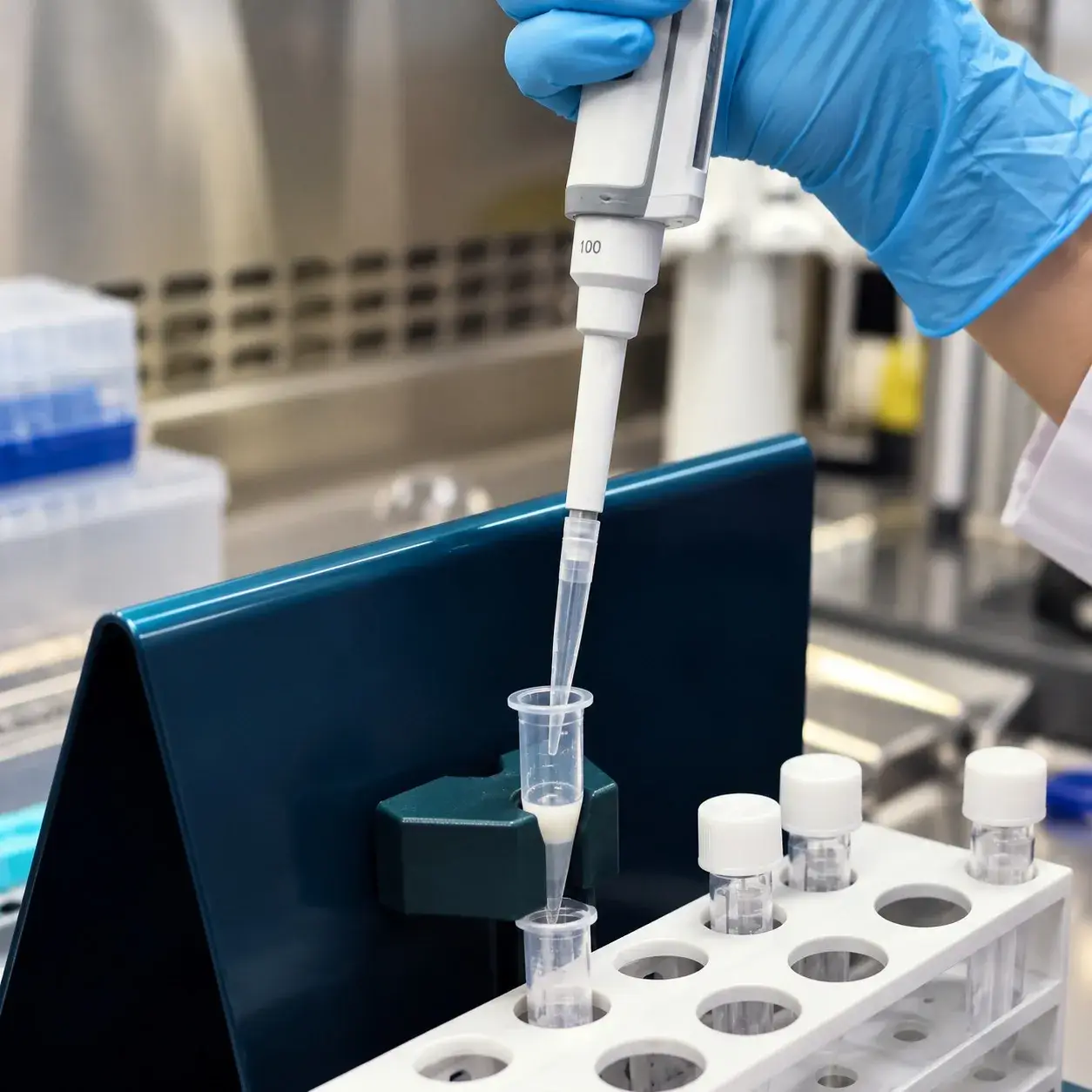
The semen sample is processed in the laboratory to separate suitable sperm from seminal fluid, debris, and other unwanted components.
Techniques such as density gradient centrifugation or swim-up may be used depending on the sample characteristics.
During ICSI, the embryologist examines individual sperm under high magnification and selects one sperm based on characteristics such as movement and appearance.
Selecting an appropriate sperm is an important part of the procedure, although visual assessment cannot determine every aspect of sperm quality.
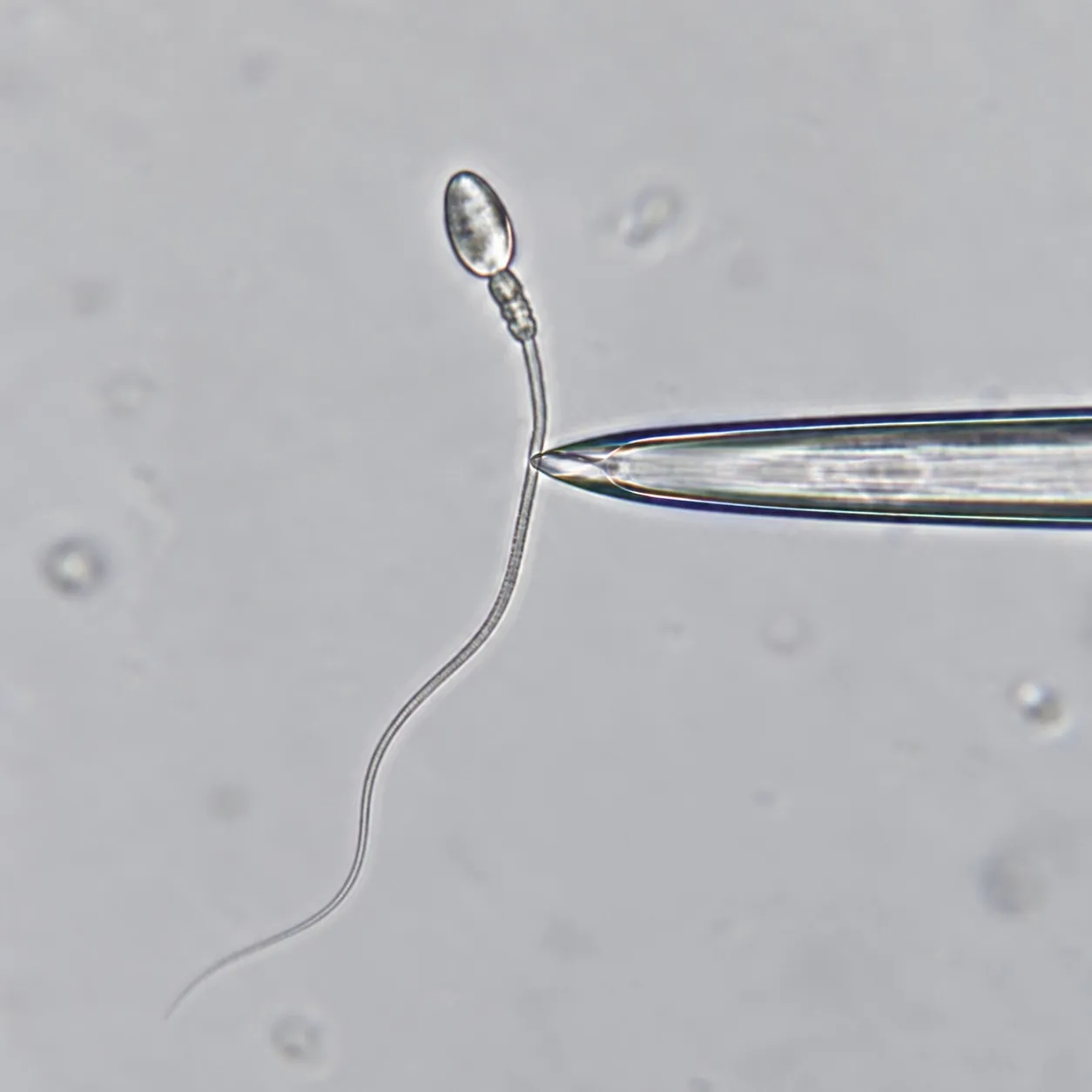
Step 4: Sperm Immobilisation
Before injection, the selected sperm is immobilised using a specialised injection pipette.
This involves carefully disrupting the sperm tail membrane, which helps prepare it for injection into the egg.
The procedure must be performed gently and accurately to minimise unnecessary manipulation. Students learning this technique must develop hand control and understand the purpose behind each movement.
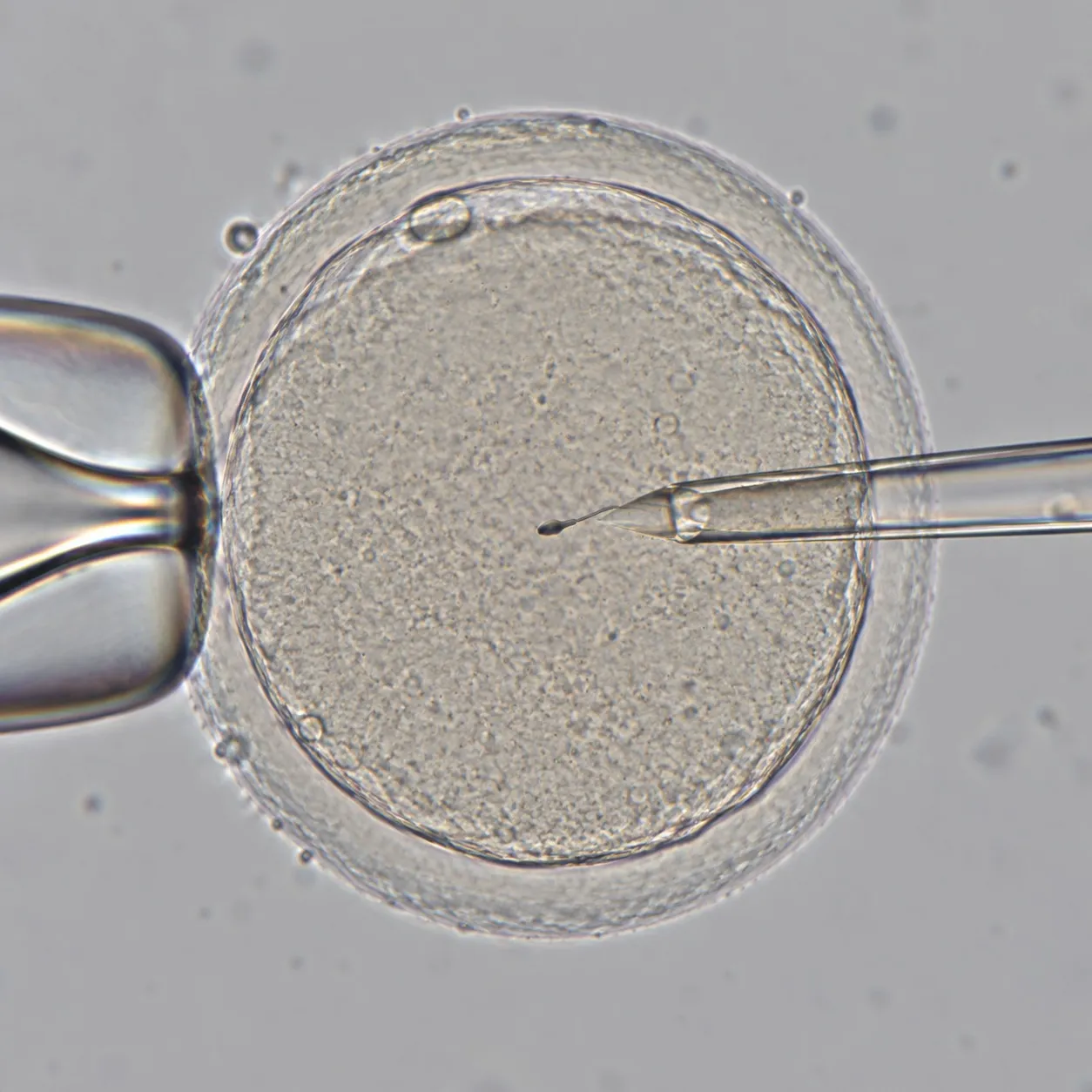
Step 5: Sperm Injection into the Egg
This is the central stage of the ICSI procedure.
The selected sperm is drawn into a fine injection pipette, which is carefully guided through the egg’s outer covering and cell membrane.
Using an inverted microscope equipped with micromanipulators, the embryologist holds the mature egg steady with a holding pipette.
The sperm is then released into the egg’s cytoplasm, and the pipette is withdrawn gently.
Throughout this process, the embryologist must maintain precise control while protecting the egg from unnecessary damage.
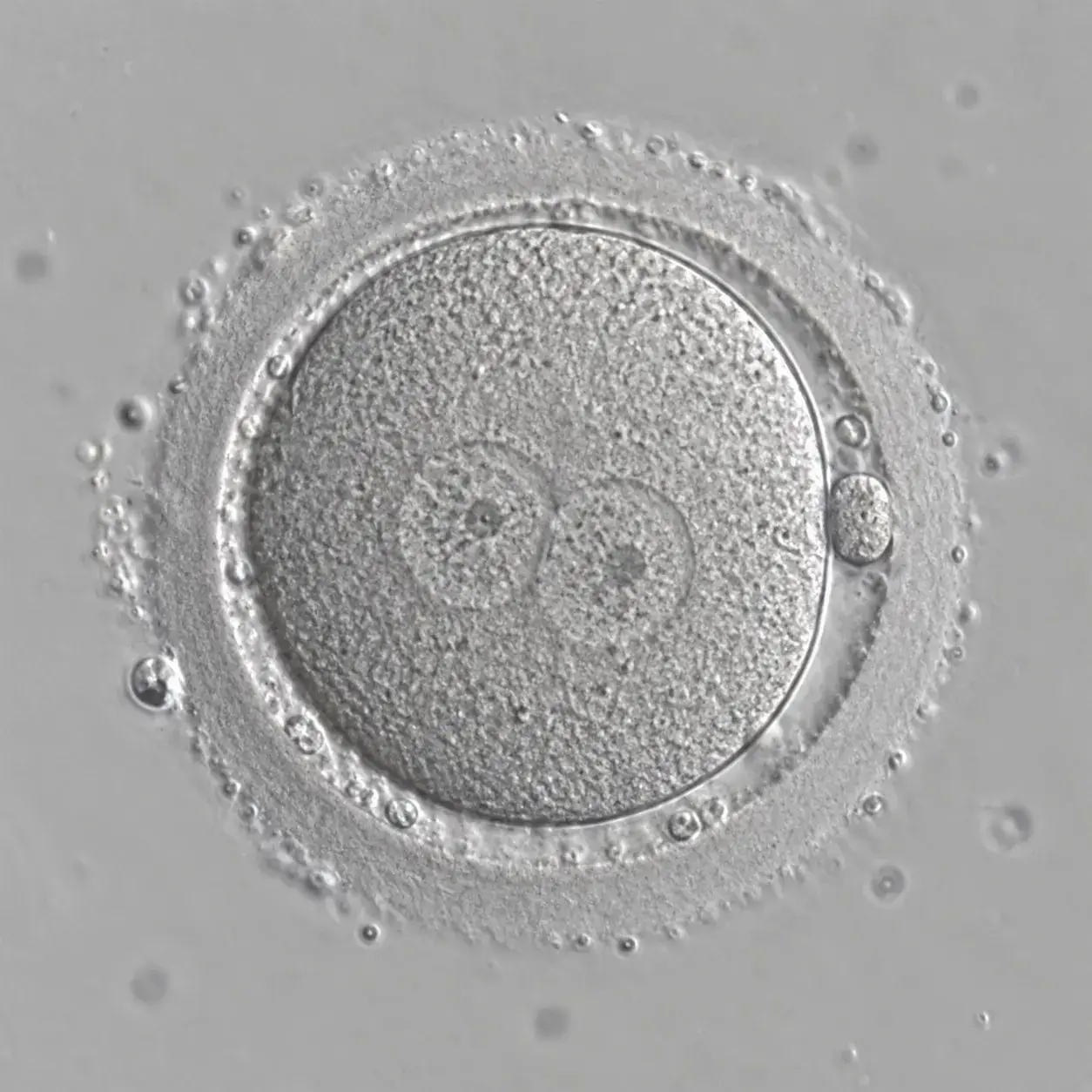
Step 6: Fertilisation Assessment
Following injection, the eggs are washed and transferred into suitable culture conditions.
Fertilisation is usually assessed approximately 16 to 18 hours later. The embryologist checks for two pronuclei, which generally indicate normal fertilisation.
Not every injected egg fertilises successfully, even when the procedure is performed correctly.
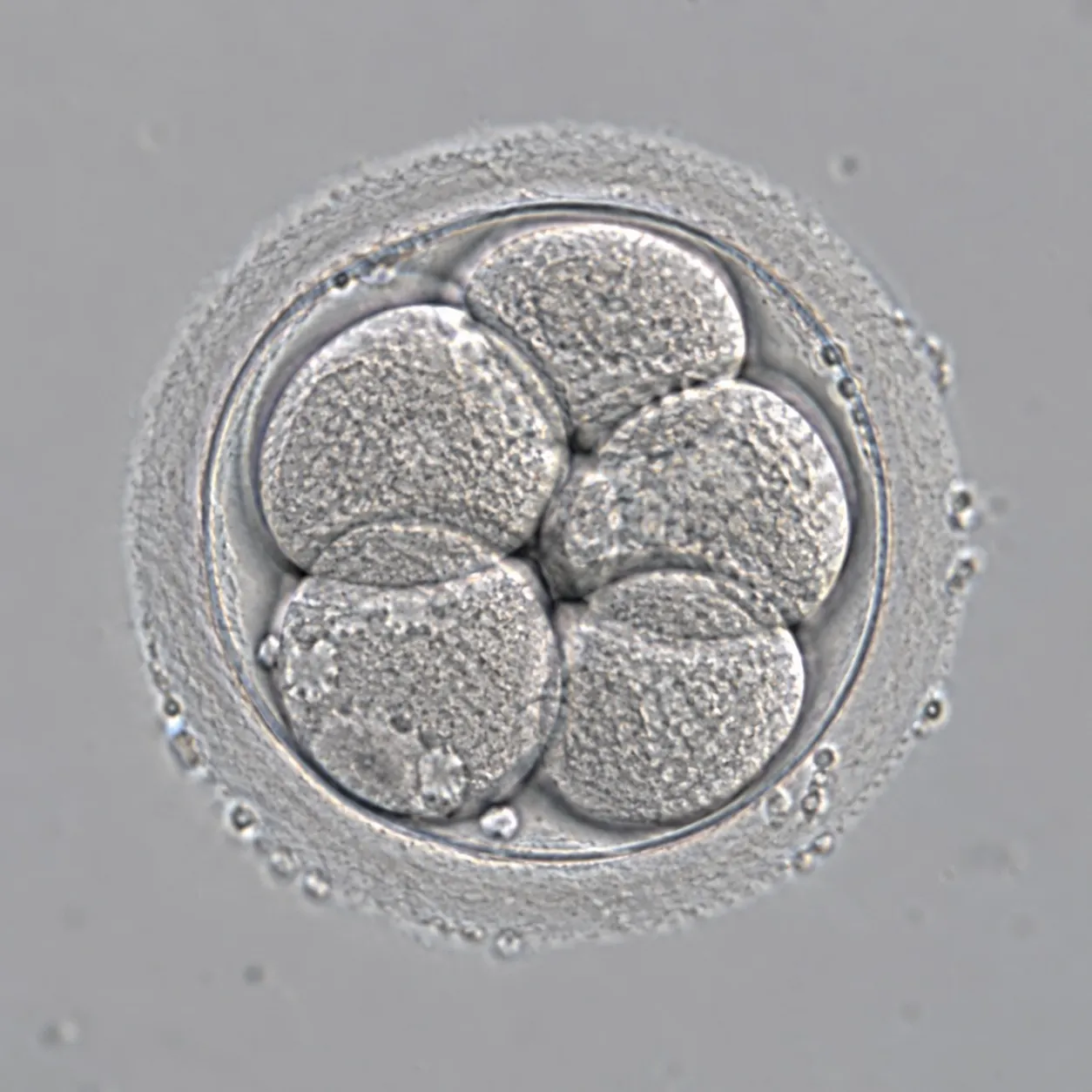
Step 7: Embryo Culture and Development
Normally fertilised eggs are cultured in specialised incubators that maintain appropriate temperature and environmental conditions.
Over the following days, embryologists monitor cell division, embryo development, and morphological characteristics.
Embryos may continue developing until the blastocyst stage, usually around day five or six. Depending on the treatment plan and embryo development, suitable embryos may be selected for transfer or cryopreservation.
Why Is Hands-on Practical Training Important to learn ICSI?
What Do Students Learn During ICSI hands-on Training?
- Microscope handling: Understanding inverted microscopes, focusing techniques, and micromanipulation equipment.
- Oocyte assessment: Identifying egg maturity and recognising important morphological characteristics.
- Sperm preparation: Learning sperm-processing methods and selection principles.
- Micromanipulation techniques: Developing precise pipette movements and controlled handling skills.
- Laboratory quality control: Understanding temperature, pH, hygiene, witnessing, documentation, and sample identification.