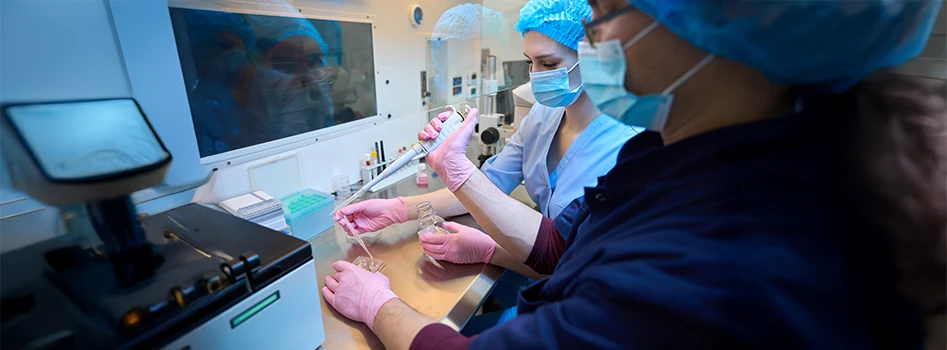
If you are a student looking for a healthcare career with long-term growth,clinical embryology is worth exploring. This field supports fertility treatment and plays a vital role in IVF laboratories. Beyond science, it offers a clear career path with many opportunities to grow and specialise.
From starting as a trainee to becoming a senior embryologist or educator, each stage builds valuable experience. Understanding this progression early helps students plan better and stay focused.
This blog guides students through each stage of a clinical embryologist’s career, helping you understand the steps and opportunities along the way.
What Does a Clinical Embryologist Do?
A clinical embryologist works in fertility and IVF laboratories. Their main role is to handle eggs, sperm, and embryos during assisted reproductive treatments. They work closely with fertility doctors and lab teams to support patient treatment cycles.
Daily work includes:
- Preparing IVF labs
- Handling fertilisation procedures
- Monitoring embryo development
- Maintaining lab records
The role needs accuracy, focus, and strong lab discipline. With experience, embryologists take on more responsibility and grow into senior positions.
Entry-Level Career Path for Clinical Embryologists
Most professionals start as trainees or junior embryologists. This is the foundation stage of the clinical embryology career path. Fresh graduates gain hands-on lab exposure while working under senior guidance
Common duties include:
- Lab setup and cleaning
- Assisting IVF procedures
- Sample handling under supervision
- Data entry and reporting
This stage helps build basic skills and confidence. It usually lasts one to two years and prepares professionals for independent lab work.
Junior Clinical Embryologist: Skill Development Stage
After basic training, embryologists move into junior clinical embryologist roles. At this stage, they start performing procedures with limited supervision.
Responsibilities include:
- Assisting fertilisation techniques
- Tracking embryo growth
- Maintaining lab protocols
- Supporting patient treatment cycles
This phase is important for building technical accuracy and speed. Performance here directly affects career growth and future promotions.
Clinical Embryologist: Core Professional Role
The next step is becoming a full clinical embryologist. This role marks a major milestone in the
embryologist career path. Professionals now handle key lab tasks independently.
Key responsibilities:
- Performing IVF and ICSI procedures
- Managing embryo culture
- Handling freezing and thawing processes
- Maintaining lab quality standards
Experience and consistency matter most at this stage. Many embryologists stay in this role for several years to strengthen their expertise.
Senior Clinical Embryologist: Experience-Based Growth
With strong results and years of practice, embryologists progress to senior clinical embryologist roles. This position focuses on leadership and advanced lab responsibilities.
Senior embryologists:
- Guide junior team members
- Handle complex lab cases
- Improve lab workflow
- Support audits and quality checks
This role offers higher pay, professional respect, and decision-making authority. It is a key step in long-term career growth.
Lead Embryologist or Lab Manager Roles
Experienced embryologists often choose leadership roles within IVF laboratories. As lead embryologists or lab managers, they handle both scientific work and team oversight. Their role includes managing lab staff, guiding new professionals, and maintaining smooth lab operations.
They also support coordination between doctors and laboratory teams. This career option is well suited for embryologists who enjoy responsibility, organisation, and long-term planning within fertility centres.
Teaching and Academic Career Opportunities
After gaining experience, clinical embryologists can explore careers in teaching and academics. They may join universities, colleges, or specialized training centers. These roles involve educating embryology students, guiding IVF lab staff, developing course content, and passing on practical skills.
This path is rewarding for those who enjoy mentoring and shaping future professionals. In addition, academic roles often offer consistent work hours and long-term stability, making it a fulfilling option for embryologists who want to contribute to both science and education.
Research and Industry Career Options
Some embryologists explore careers in research or medical industries. These roles focus on innovation, testing, and lab improvement.
Career options include:
- Research associate
- Lab consultant
- Technical trainer
- Product specialist
These roles help professionals expand beyond clinics and build diverse career paths.
International Career Scope for Clinical Embryologists
Clinical embryology opens doors to exciting opportunities around the world. Skilled embryologists can work in international IVF labs and fertility centers once they meet local certifications and regulations.
Working abroad allows professionals to gain experience with advanced lab techniques, learn from global experts, and explore new approaches in reproductive medicine. International roles also often come with higher pay and better career growth.
For those who love learning and want to broaden their skills, building an international career can be a rewarding next step in clinical embryology.
Skills That Support Career Progression
Career growth in clinical embryology relies on both knowledge and practical skills. Successful embryologists work with accuracy, patience, and strong lab discipline.
They communicate well with their team, keep learning, and gain hands-on experience. Consistency and dedication in daily lab work help them improve, take on bigger responsibilities, and achieve long-term success in their careers.
Conclusion
The career progression path for clinical embryologists offers steady growth, respect, and purpose. From entry-level lab roles to senior leadership, teaching, and research positions, the field provides multiple career options.
With proper training, hands-on experience, and strong work ethics, professionals can build a rewarding future in clinical embryology. As fertility treatments continue to grow, skilled embryologists will remain in high demand.
Take the next step in your clinical embryology career with Momsoon Academy. Gain hands-on experience, expert guidance, and practical skills that open doors to growth, leadership, and rewarding opportunities in IVF and fertility labs.